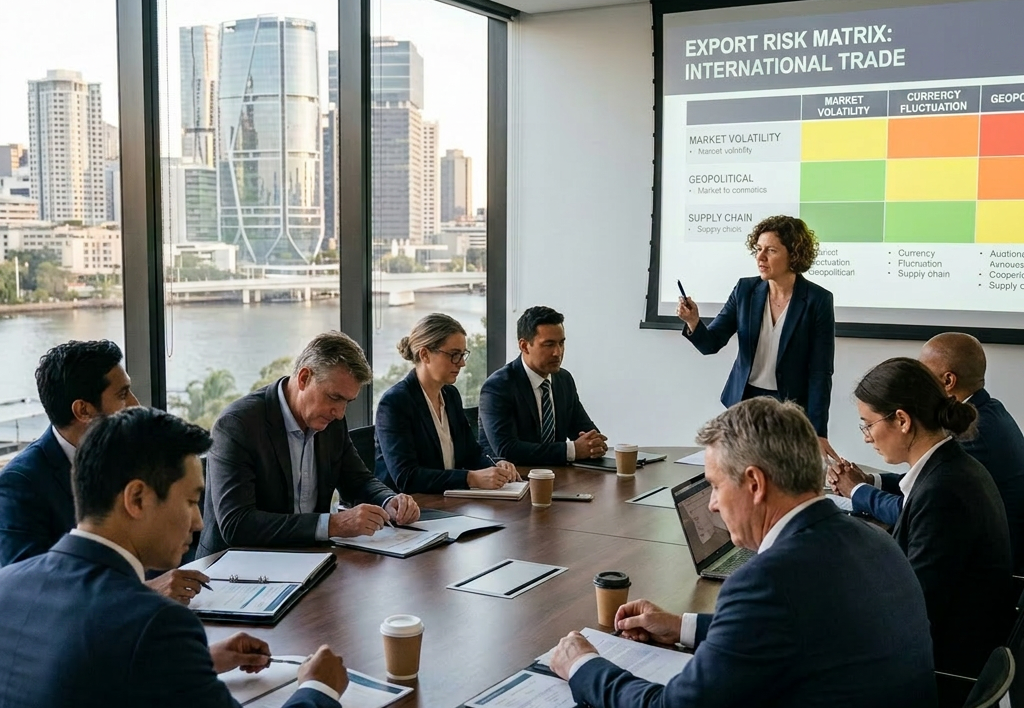
From the Weaponised Trade Busines Toolkit
Weaponised trade rarely arrives with a clear announcement. More often, evidence of coercive intent is revealed through delays, licensing friction, regulatory pressure, boycotts, or a sudden tightening of market access that is difficult to prove and even harder to reverse.
For businesses, the question is not whether geopolitical coercion is conceivable, but whether the organisation is positioned to recognise it early, absorb it quickly, and adapt before commercial damage becomes strategic damage. In an era where trade, law and politics increasingly overlap, resilience begins with asking the right questions before the pressure arrives.
The Weaponised Trade Business Toolkit provides 10 questions that every Board should ask (and answer)
- What are our top five geopolitical dependencies?
- How concentrated are our sales, suppliers and logistics channels in any single market?
- How dependent are we on regulatory approvals, licences, certifications, inspections or customs processes in any single market?
- Which markets could be disrupted on short notice?
- What early warning systems do we have in place?
- How quickly could we redirect exports, customers or suppliers?
- Have we audited our contracts, terms of trade and commercial arrangements for geopolitical risk?
- Do we know where to obtain government, legal, industry and diplomatic support if coercive measures emerge?
- Are we adequately insured against political and geopolitical risk?
- What would a six-month disruption cost?
Leave a Reply