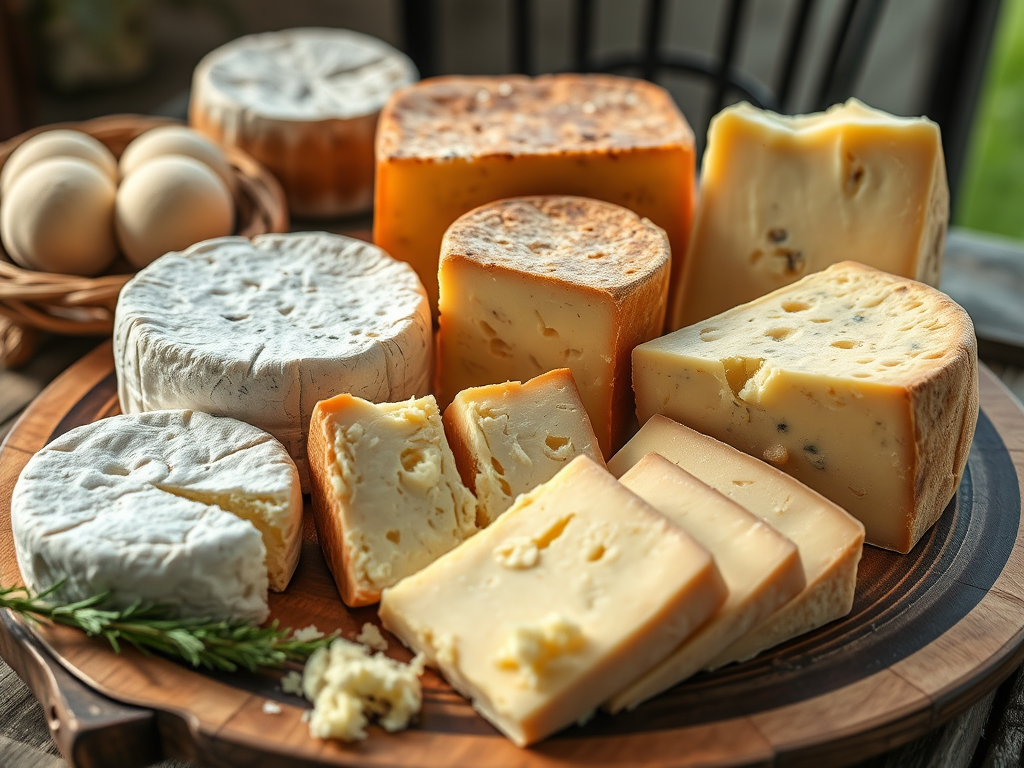
Russian ban on imports of Lithuanian dairy products in August 2013
Context
In 2013, Russia imposed an import ban on Lithuanian dairy products, citing food safety concerns. The ban was notified to the WTO Committee Sanitary and Phytosanitary Measures 11 October 2013, described as a temporary import ban “due to detection of incompliance to microbiology, sanitary chemical and organoleptic requirements”.
Lithuania denied this claim, and there was general consensus from Western analysts and media that this was a specious claim in reponse to Lithuania’s role as host for EU accession negotiations for other countries in the region, as part of its presidency of the EU.
Impact
Russia had traditionally been the second largest export market for Lithuanian dairy products.
Vitunskiene and Serva note that overall exports of dairy declined sharply (with the exception of butter) but Lithuanian producers appeared to reorient their exports, processing a higher proportion of dairy into butter and milk powder for sale into the EU and elsewhere.
Responses
One of the responses to the ban was the creation of a protest movement known as “freedom cheese” – which appeared on social media and the (now deleted) site freedomcheese.com (partially accessible thorugh the Wayback Machine.


References
Judy Dempsey, Europeans: Buy Lithuanian Cheese! (4 November 2013), Carnegie Europe, https://carnegieendowment.org/europe/strategic-europe/2013/11/europeans-buy-lithuanian-cheese
Vladimir Socor, Russia’s Trade Warfare Against Lithuania Is a Challenge to the European Union (10 November 2013), Eurasia Daily Monitor, https://jamestown.org/russias-trade-warfare-against-lithuania-is-a-challenge-to-the-european-union/
Vlada Vitunskiene and Evaldas Serva. Lithuanian agri-food industry responses to Russian import ban on agricultural products. No. 136/2017. Institute of Economic Research Working Papers, 2017. https://www.econstor.eu/bitstream/10419/219958/1/ier-wp-2017-136.pdf